Posted on

Get to know us!

If we haven’t had the chance to meet you yet, then hi! We are David and Dre, a husband and wife who started NorthStar Nutrition in 2023. We live in Austin, Texas, and fitness and community are central parts of our lives. 

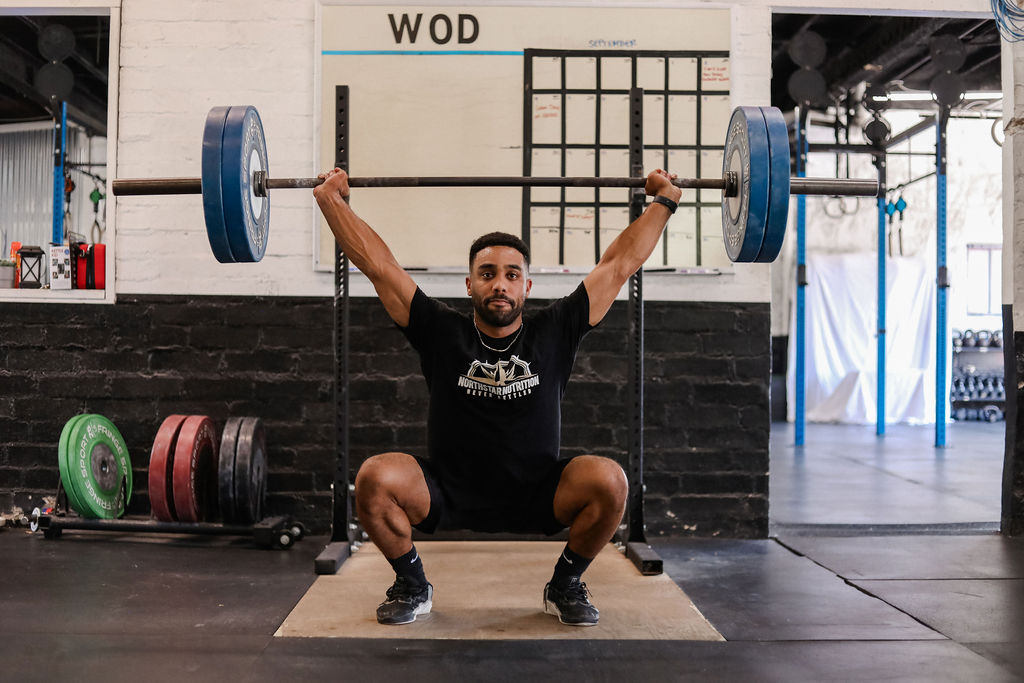
David is a Marine veteran, attorney, University of Texas School of Law and Purdue University graduate, CrossFit L1 trainer, and ultramarathoner. David regularly trains in Olympic lifting, powerlifting, cross-training, and running. For years, David struggled to find supplements that catered to his various training modalities without exorbitant amounts of caffeine or artificial additives, flavors, or colors. Determined to address this issue, he finally decided to formulate his perfect pre-workout supplement and from there, founded NorthStar Nutrition.

Dre is an Austin native, holds a master’s degree in Public Health from Emory University, is a CrossFit L2 trainer and has been a fitness coach for ten years. As a competitive athlete, Dre holds the title of former Fittest Woman on Maui, Hyrox Age Group Champion, and a two-time marathon runner. Dre is now more focused on physical and mental health and longevity and loves to help others along their fitness journey. Whether you’re a competitive athlete or a lifestyle gym goer, NorthStar products can help you make the most of your workouts by offering high-quality, transparent, scientifically-backed supplements. We are dedicated to transforming the industry and inspiring individuals to achieve their best, leaving a lasting impact on the world.

Posted on

TFX Weekend Recap

Thank you to everyone we had the pleasure of meeting at The Fittest Experience Championship! We had great conversations with attendees and saw some amazing athletes throw down. 

The TFX Championship is an annual competition with both individual and team competitors in multiple divisions, including Rookie, Intermediate, RX, Pro, and Masters divisions. It’s held at the Williamson County Expo Center, just northeast of Austin. The weather was beautiful and reached the 60s and 70s—and if you went to the TFX Championships last year, you froze with us out there with temps in the 30s so you know how much of a blessing that truly was!

We spent the weekend slinging samples, educating about our products, cheering on the athletes, seeing old friends, and making new ones. We also reached a huge milestone in our growing business: we sold out of our first product, the Mango Electrolyte+! (Don’t worry, more is on the way!) 

Wishing the best of luck to everyone moving on to the TFX Invitational in May in Oklahoma City!

Posted on

10 Reasons Why Creatine Is a Game-Changer for Athletes

Creatine supplementation is one of the most well-researched and effective supplements for athletes looking to enhance their performance, strength, and recovery. Whether you’re a weightlifter, sprinter, or endurance athlete, creatine offers numerous benefits that can help you push your limits and optimize your training. Here are 10 reasons why creatine should be a staple in every athlete’s supplement regimen.

1. Boosts Explosive Power and Strength

Creatine enhances the production of adenosine triphosphate (ATP), the primary energy source for short bursts of high-intensity exercise. This translates to improved strength, power, and performance in activities like sprinting, weightlifting, and jumping.

2. Enhances Muscle Growth

Creatine promotes muscle hypertrophy by increasing water retention in muscle cells and boosting protein synthesis. This helps athletes gain lean muscle mass, which is essential for improving overall strength and performance.

3. Improves High-Intensity Exercise Performance

From repeated sprints to heavy lifts, creatine supplementation enhances performance in activities that require short bursts of intense effort. Studies show that athletes supplementing with it experience greater improvements in sprint speed, jump height, and overall workout intensity.

4. Speeds Up Recovery

Creatine reduces muscle damage and inflammation, allowing athletes to recover faster between training sessions. Faster recovery means more frequent and intense training, leading to better long-term results.

5. Boosts Endurance and Stamina

Although primarily known for aiding high-intensity exercise, creatine also supports endurance performance. By enhancing energy production and delaying muscle fatigue, it helps endurance athletes sustain effort over long durations.

6. Improves Brain Function and Focus

Creatine isn’t just beneficial for the muscles—it also enhances cognitive function. Studies indicate that it improves mental clarity, focus, and reaction time, which are crucial for sports requiring quick decision-making and strategy.

7. Aids in Hydration and Thermoregulation

Creatine promotes cellular hydration by increasing water content in muscle cells. This not only supports muscle function but also helps regulate body temperature, reducing the risk of dehydration and heat-related performance decline.

8. Supports Fatigue Resistance

By increasing ATP production and reducing lactic acid buildup, it helps athletes train harder for longer without experiencing extreme fatigue. This makes it an invaluable supplement for those involved in prolonged physical activity.

9. Enhances Muscle Preservation During Cutting Phases

For athletes looking to reduce body fat while maintaining muscle mass, creatine helps prevent muscle breakdown during calorie deficits. This is particularly beneficial for bodybuilders, wrestlers, and fighters who undergo weight cuts.

10. Scientifically Proven and Safe

Creatine is one of the most extensively researched supplements in the fitness industry. Studies consistently show its safety and effectiveness, making it a trustworthy choice for athletes looking to optimize their performance without harmful side effects.

Conclusion

Creatine is a powerhouse supplement that offers numerous benefits for athletes across all sports. From increased strength and power to enhanced recovery and brain function, it is a must-have for anyone serious about maximizing their athletic potential. If you haven’t added creatine to your routine yet, now is the time to start reaping its benefits!

For more expert insights on sports nutrition and performance optimization, be sure to check out our latest articles and supplement recommendations!

Posted on

How to Maximize the Effects of Your Pre-Workout Supplement

Pre-workout supplements are a popular choice among athletes, fitness enthusiasts, and individuals looking to boost their performance during exercise. These supplements provide an extra edge by improving energy levels, endurance, strength, and focus. However, taking a pre-workout supplement isn’t always a guarantee that you’ll get the most out of it. To truly maximize the benefits of your pre-workout, there are several strategies and tips to consider. Let’s dive into how you can optimize the effects of your pre-workout supplement to enhance your workouts and achieve your fitness goals faster.

1. Choose the Right Pre-Workout Supplement

The first step in maximizing the effects of your pre-workout supplement is selecting the right one for your specific fitness goals. Different pre-workouts are formulated with different ingredients to target various aspects of performance. Here are some key ingredients to look for:

Make sure to research the ingredients that align with your fitness objectives. For example, if you’re aiming to build strength, choose a pre-workout with creatine. If endurance is your goal, look for beta-alanine.

2. Timing is Key

To maximize the effects of your pre-workout, you need to time it correctly. Typically, it’s best to take your pre-workout supplement about 20 to 30 minutes before you start exercising. This allows your body time to absorb the ingredients and begin feeling their effects.

  • For Energy: If your primary focus is energy, try taking your pre-workout on an empty stomach. This can lead to quicker absorption and more immediate effects.
  • For Endurance: If endurance is your goal, consider taking your pre-workout about 30 minutes before your workout to experience its full benefits during longer training sessions.

Remember, the timing can vary depending on the supplement’s formulation and your individual metabolism, so it may take some experimentation to find what works best for you.

3. Hydration is Crucial

One of the most important factors to keep in mind when taking a pre-workout supplement is staying hydrated. Many pre-workout ingredients, such as caffeine and creatine, can increase the need for hydration. Dehydration can lead to decreased performance, cramps, and fatigue, which can negate the benefits of the supplement.

Ensure you’re drinking enough water throughout the day, especially before and after your workout. A good rule of thumb is to drink 16-20 ounces of water about 30 minutes before taking your pre-workout and continue hydrating throughout your workout.

4. Pair Your Pre-Workout with a Balanced Diet

Your pre-workout supplement works best when combined with a balanced diet. Eating a nutritious meal 1-2 hours before your workout can provide the necessary fuel for your body to perform at its best.

  • Carbohydrates: Provide your muscles with the energy needed for intense workouts.
  • Protein: Essential for muscle recovery and growth.
  • Fats: Help with endurance during longer training sessions.

By pairing your pre-workout supplement with the right nutrients, you ensure that your body is well-fueled for peak performance.

5. Start with the Right Dosage

To maximize the effects of your pre-workout, it’s important not to overdo it. Many people assume that taking more of a supplement will lead to better results, but this can often have the opposite effect, leading to side effects like jitteriness, nausea, or headaches.

Start by taking the recommended dosage on the label, and if needed, adjust gradually to assess your tolerance. Pay attention to how your body reacts to different dosages and avoid exceeding the recommended serving size.

6. Be Consistent

Consistency is key when it comes to seeing long-term results from your pre-workout supplement. While you may experience an immediate boost in energy and focus, consistent use over time can lead to more significant improvements in strength, endurance, and muscle development.

Make pre-workout supplementation part of your regular routine, but don’t rely solely on it. A well-rounded fitness program, including proper training, nutrition, and rest, is essential for achieving lasting results.

7. Post-Workout Nutrition and Recovery

While pre-workout supplements are designed to enhance your performance, proper post-workout nutrition is just as important for recovery. After your workout, your muscles are primed to absorb nutrients, which is why refueling with a protein-rich meal or shake is essential.

Incorporating BCAAs or a recovery supplement can further enhance muscle repair and reduce soreness. Don’t skip your post-workout nutrition if you want to make the most of your pre-workout supplement.

8. Pay Attention to Your Body

Finally, it’s crucial to listen to your body. If you notice any side effects like jitteriness, upset stomach, or headaches, it may be a sign that your pre-workout supplement isn’t the right fit for you. Experiment with different products or adjust the dosage until you find what works best.

Additionally, remember that pre-workout supplements should not be relied upon as a substitute for proper rest and sleep. Your body needs time to recover, and over-relying on pre-workout for energy can lead to burnout in the long run.

Final Thoughts

Maximizing the effects of your pre-workout supplement involves more than just taking it before a workout. By choosing the right supplement, timing it appropriately, staying hydrated, and pairing it with a healthy lifestyle, you can unlock its full potential. Whether you’re looking to increase your energy, strength, or endurance, incorporating these strategies will help you make the most of your pre-workout supplement and take your workouts to the next level.

By optimizing your pre-workout routine, you’ll not only see better results, but you’ll also feel more energized, focused, and motivated during every session. Happy training!

Posted on

Do I really need a pre-workout?

I wouldn’t be a responsible coach, a business representative, or just an honest human being if I said pre-workout is essential; in fact, I’ll even say that it’s not essential for everyone. In contrast, proper macro & micronutrients, adequate hydration, and even creatine are critical in your everyday life. Your fitness and health foundation comes from how you eat, hydrate, train, and recover. 

No pre-workout on the market will ever magically take you from a beginner to an advanced-level athlete on its own. Only hard work and smart lifestyle choices can do that. If a company makes a claim that sounds too good to be true, it is most likely too good to be true! 

However…

The real question becomes whether certain compounds can help improve your daily workouts. They absolutely can! In the correct dosages, certain ingredients are clinically tested to take your workout from “good” to “great.” And guess what, they’re safe, too. You won’t become a professional-level athlete after one dose, but consistent use over time can improve your workouts’ quality, effort, and intensity. Combined with good nutrition habits and consistent, well-programmed workouts, pre-workout supplementation can be a fantastic tool to help you reach your fitness goals. 

How does that work? First, ensure that the ingredients in your pre-workout have scientific evidence backing up their claims. Here are some ingredients that we love:

Beta-alanine can help to delay the lactic acid buildup in your muscles, or the “burn,” especially when you’re pushing yourself in a cardiovascular activity like a bike, row, run, uphill hike, or a high-rep set of resistance exercises. A serving size of 4,000 mg is the dosage shown to be effective in multiple clinical studies.

Citrulline malate can help you push out more reps in each set of exercise. For example, if you’re training squats to failure, citrulline malate supplementation may help you do more than you would have without supplementation. Citrulline malate can also delay the point where your mind tells you you’re exhausted—in other words; it decreases your rate of perceived exertion. A dosage of 8,000 mg of citrulline malate has been shown to achieve these results in multiple clinical studies.  

Betaine can help increase your aerobic capacity, maximum strength output, and maximum power output. That means that the amount of power that your body can produce (while doing a max lift, a sprint, or an explosive exercise) is increased with betaine supplementation. A dosage of 3,000 has been shown to be effective in clinical studies. 

Nootropics such as AlphaGPC, L-Tyrosine, L-Theanine, Huperzine-A, and Rhodiola Rosea help with mental sharpness, memory, and focus, helping you stay locked in on your workout. Without the dreaded “brain fog,” your mind can focus on things like accurate rep counting and proper form and technique. (There’s also compelling evidence of the long-term benefits of these ingredients for preserving cognitive function and being protective from cognitive decline!) 

However, throwing all of those ingredients into a supplement isn’t enough—you also have to ask if the amount of the ingredient is enough to actually make a difference. That’s what makes NorthStar Nutrition different. Our PR Pre Workout is unique: effective ingredients, no under-dosing, and no “proprietary blends” that don’t disclose how much of each ingredient you’re actually getting. 

Finally, your pre-workout shouldn’t have anything that you don’t need. Artificial sweeteners, colors and flavors are a cheaper way to make supplements come off more appealing to consumers, but can have negative impacts on your health. Some pre-workout brands hang their hat solely on mega-doses of caffeine. Other ingredients that supposedly improve performance may have little to no research backing those claims.

In conclusion, you certainly don’t need a pre-workout supplement to get a good workout and to reach your fitness goals. However, a quality pre-workout with correctly dosed ingredients can take your workouts to the next level! 

Read more about our ingredients that we carefully researched and chose to formulate the best pre-workout on the market. 

Posted on

7 Reasons Why Athletes Should Trust and Use Creatine

Creatine is one of the most researched and effective supplements available for athletes. It provides numerous benefits, from improved performance to faster recovery. Here are seven reasons why athletes should trust and use creatine.

1. Enhances Strength and Power

Creatine helps increase ATP production, the primary energy source for muscle contractions. This leads to improved strength, power, and overall performance in high-intensity activities like weightlifting and sprinting.

2. Muscle Growth

Studies show that creatine supplementation enhances muscle mass by increasing water retention in muscle cells and promoting protein synthesis. This makes it a valuable tool for athletes looking to gain lean muscle.

3. Speeds Up Recovery

Creatine reduces muscle cell damage and inflammation following intense exercise. This helps athletes recover faster, reducing downtime between workouts and enhancing overall training efficiency.

4. Improves High-Intensity Performance

Athletes involved in sports requiring short bursts of power, such as football, basketball, and track events, benefit from its ability to boost energy production and sustain peak performance.

5. Supports Brain Function

Creatine is not just for muscles; it also plays a role in cognitive function. Studies suggest that it can enhance memory, reaction time, and mental clarity, giving athletes a mental edge in competition.

6. Safe and Well-Researched

It is one of the most extensively studied sports supplements, with research consistently supporting its safety and effectiveness. When used correctly, it poses no harm to healthy individuals.

7. Easy to Use and Cost-Effective

Creatine is widely available, affordable, and easy to incorporate into daily routines. A small daily dose of it can provide significant long-term benefits for athletic performance.

Conclusion

Athletes looking to enhance performance, increase strength, and speed up recovery should consider adding creatine to their supplement regimen. Backed by science and proven safe, it remains one of the best choices for athletes aiming to maximize their potential.

Posted on

Why Fitness is Key for Mental Wellbeing

The connection between physical fitness and mental health is undeniable. Regular exercise not only benefits the body but also has profound effects on the mind. In today’s fast-paced world, prioritizing fitness can be a game-changer for achieving mental wellbeing. Here’s an in-depth look at why fitness is essential for maintaining and enhancing mental health.


1. Reduces Stress and Anxiety

Exercise is a powerful stress reliever. Physical activity prompts the release of endorphins—commonly known as “feel-good” hormones—which help alleviate stress and anxiety. Key benefits include:

  • Lower levels of cortisol, the body’s primary stress hormone.
  • Improved mood and relaxation after even short workouts.
  • Distraction from daily worries by focusing on physical movement.

Whether it’s a brisk walk, yoga session, or high-intensity interval training, regular exercise can keep stress and anxiety at bay.


2. Boosts Mood

Feeling down? Exercise might be the solution. Studies show that physical activity can:

  • Reduce symptoms of depression by promoting neural growth and reducing inflammation in the brain.
  • Create a sense of accomplishment, boosting self-esteem and confidence.
  • Provide a natural energy boost, making you feel more positive and motivated throughout the day.

Consistency is key—even moderate exercise, such as 30 minutes a day, can make a significant difference in mood.


3. Enhances Cognitive Function

Exercise is not just good for your body; it’s also excellent for your brain. Regular physical activity can:

  • Improve memory and learning capabilities by increasing blood flow to the brain.
  • Enhance focus and concentration, making it easier to tackle daily tasks.
  • Delay the onset of cognitive decline in older adults.

Activities that require coordination, such as dance or martial arts, are particularly effective for stimulating the brain.


4. Improves Sleep Quality

Good sleep is a cornerstone of mental health, and exercise plays a significant role in improving sleep patterns. Benefits include:

  • Falling asleep faster and staying asleep longer.
  • Enhanced deep sleep, which is crucial for physical and mental recovery.
  • Regulation of your body’s circadian rhythm, making it easier to maintain a consistent sleep schedule.

Morning or afternoon workouts are especially effective, as they help set your internal clock and reduce restlessness at night.


5. Builds Resilience to Life’s Challenges

Fitness can serve as a metaphor for overcoming challenges. Regular exercise helps build resilience by:

  • Teaching discipline and perseverance through consistent effort.
  • Providing a healthy outlet for managing frustration and setbacks.
  • Boosting confidence as you achieve fitness milestones, which can translate to other areas of life.

Over time, this resilience can make it easier to face stressors and maintain a positive outlook.


6. Fosters Social Connections

Group fitness activities, such as joining a running club, attending fitness classes, or participating in team sports, can:

  • Create opportunities for social interaction and bonding.
  • Reduce feelings of loneliness and isolation.
  • Encourage accountability, helping you stay consistent with your fitness routine.

Social connections are vital for mental wellbeing, and fitness provides an excellent platform to build and nurture relationships.


7. Encourages Mindfulness

Exercise, especially activities like yoga, tai chi, or even mindful running, promotes a state of mindfulness. This practice involves:

  • Focusing on the present moment, reducing rumination and worry.
  • Cultivating a sense of gratitude for what your body can achieve.
  • Enhancing emotional regulation through controlled breathing and movement.

Mindful exercise can be particularly effective for managing anxiety and improving overall mental clarity.


How to Incorporate Fitness into Your Routine

  1. Start Small: Begin with manageable activities, like a 10-minute walk, and gradually increase intensity and duration.
  2. Find What You Enjoy: Choose activities that excite you, whether it’s swimming, cycling, or dancing.
  3. Schedule Workouts: Treat fitness like any other important appointment to ensure consistency.
  4. Mix It Up: Incorporate a variety of exercises to keep things interesting and work different muscle groups.
  5. Seek Support: Join a class or find a workout buddy to stay motivated and accountable.

Final Thoughts

Fitness is a cornerstone of mental wellbeing. By incorporating regular physical activity into your life, you can reduce stress, enhance your mood, and build resilience to life’s challenges. Whether you’re just starting your fitness journey or looking to elevate your routine, remember that every step counts. Start today, and experience the profound impact fitness can have on your mind and overall quality of life.

Posted on

Exercise Discipline Tips to Stay on Track

Staying disciplined with your exercise routine is crucial for achieving long-term fitness goals and maintaining overall health. However, it can be challenging to stay consistent amidst life’s many demands. Whether you’re a beginner or a seasoned athlete, adopting the right strategies can make all the difference. Here are the top seven ways to stay disciplined and keep your fitness journey on track:

1. Set Clear and Achievable Goals

Begin by defining what you want to accomplish with your exercise routine. Are you aiming to lose weight, build muscle, or improve endurance? Setting specific, measurable, and realistic goals helps keep you focused and motivated. For example, instead of saying, “I want to get fit,” aim for something like, “I want to run a 5K in under 30 minutes within three months.” Break your goals into smaller milestones to make them less overwhelming and celebrate progress along the way. This approach makes even the most ambitious goals feel attainable.

2. Create a Consistent Schedule

Consistency is key to building discipline. Choose specific days and times for your workouts and treat them as non-negotiable appointments. Whether you’re a morning person or prefer evening workouts, sticking to a routine helps form a habit over time. Use calendars, reminders, or fitness apps to stay organized. If you find it difficult to stick to your schedule, try laying out your workout clothes the night before or setting a recurring alarm as a visual cue. Over time, your body will adjust to the routine, making it easier to show up without hesitation.

3. Find an Accountability Partner

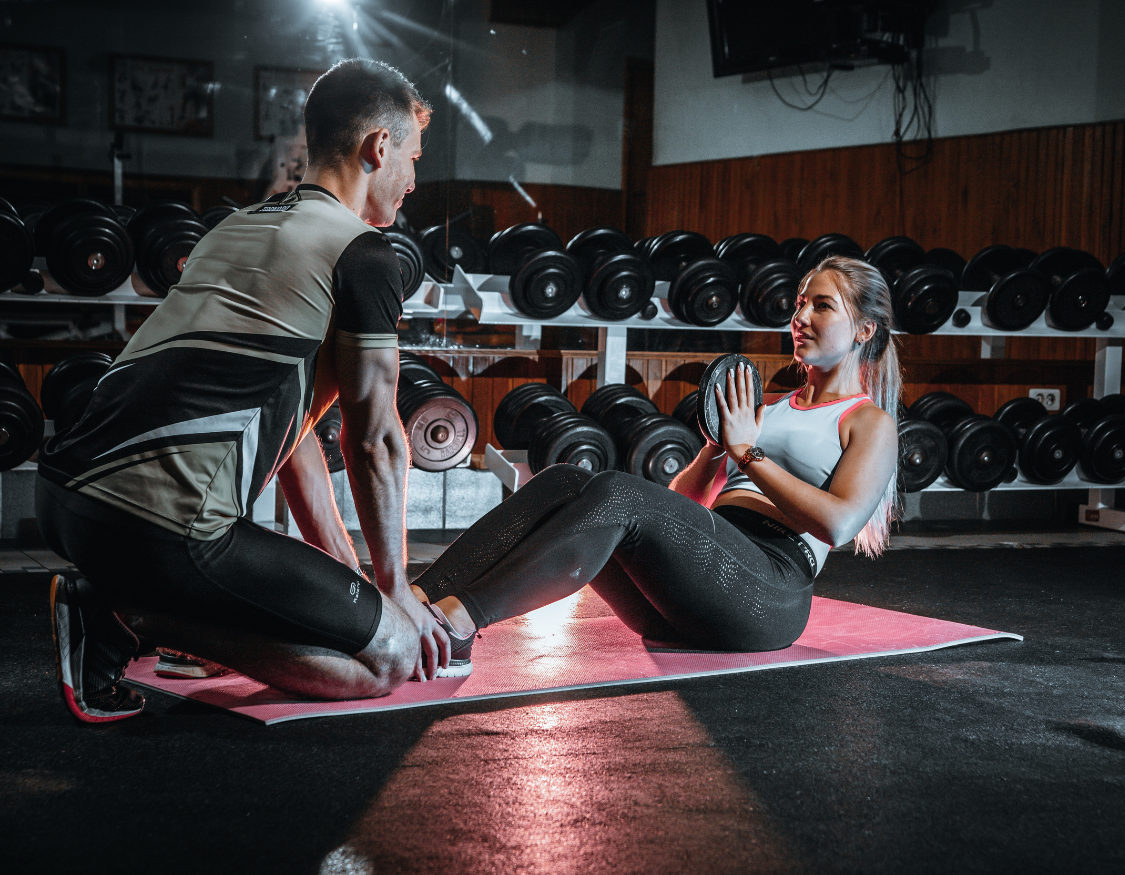
Working out with a friend, family member, or personal trainer can significantly boost your commitment. Knowing someone else is counting on you makes it harder to skip a workout. Additionally, accountability partners can provide encouragement and friendly competition to keep you motivated. Joining group classes or online fitness communities can also foster a sense of camaraderie and shared purpose. Sharing your achievements and challenges with others makes the journey feel less isolating and more rewarding.

4. Track Your Progress

Keeping a record of your workouts, weight changes, or other fitness milestones helps you visualize your progress and stay motivated. Use a fitness journal or apps to log your activities and achievements. Seeing how far you’ve come can inspire you to keep pushing forward. Consider adding notes about how you feel after each workout—this can serve as a powerful reminder of the positive impact exercise has on your physical and mental well-being. Regularly reviewing your progress also helps identify patterns or areas for improvement.

5. Mix Up Your Routine

Monotony can lead to boredom and burnout. To keep things interesting, try different types of exercises like strength training, yoga, swimming, or cycling. Experimenting with new workouts not only keeps you engaged but also helps target different muscle groups and improve overall fitness. Seasonal changes can also provide opportunities to switch up your routine, such as hiking in the spring or skiing in the winter. Embracing variety ensures that you’re always looking forward to your next session.

6. Reward Yourself

Incorporate a reward system to celebrate your achievements, big or small. For instance, treat yourself to a new workout outfit after completing a month of consistent workouts or enjoy a relaxing massage after hitting a major milestone. Rewards reinforce positive behavior and keep you motivated. Choose incentives that align with your goals, such as investing in better workout gear or signing up for a special fitness event. These tangible rewards serve as a reminder that your hard work is paying off.

7. Focus on Discipline, Not Motivation

Motivation is fleeting, but discipline builds habits. On days when you don’t feel like working out, remind yourself of your long-term goals and how great you’ll feel after completing your session. Develop a mindset that prioritizes action over emotion. Visualization techniques can also help; imagine yourself successfully completing your workout and the sense of accomplishment that follows. Over time, showing up becomes second nature, and you’ll find that discipline leads to consistent progress.

Conclusion

Staying disciplined with your exercise routine requires planning, commitment, and a bit of creativity. By setting clear goals, maintaining a consistent schedule, and embracing these strategies, you can build lasting habits that lead to a healthier and happier you. Start small, stay consistent, and remember—discipline is the bridge between goals and achievements. When you prioritize discipline over fleeting motivation, you’re not just building a routine; you’re cultivating a lifestyle that supports long-term wellness and success. The journey might not always be easy, but the rewards are undoubtedly worth it.

Posted on

8 Ways to Build Muscle and Lose Fat

Building muscle while losing fat is a common fitness goal, but achieving it requires a strategic balance of exercise, nutrition, and lifestyle habits. This process, often called body recomposition, focuses on enhancing muscle growth while simultaneously shedding excess body fat. Here are eight proven ways to help you build muscle and lose fat effectively.

1. Prioritize Strength Training
Strength training is essential for muscle growth. Compound exercises like squats, deadlifts, bench presses, and pull-ups engage multiple muscle groups, maximizing muscle activation and stimulating growth. Aim to train each muscle group at least twice a week, progressively increasing the weight and intensity to challenge your muscles and encourage hypertrophy.

2. Incorporate High-Intensity Interval Training (HIIT)
HIIT is an efficient way to burn fat while preserving muscle mass. This form of cardio involves short bursts of intense exercise followed by rest or low-intensity periods. HIIT sessions not only improve cardiovascular fitness but also boost metabolism, allowing you to burn calories long after your workout ends.

3. Eat a High-Protein Diet
Protein is crucial for muscle repair and growth. Consuming sufficient protein helps preserve lean muscle mass during fat loss. Aim for at least 1.2 to 2.0 grams of protein per kilogram of body weight daily. High-protein foods like chicken, fish, eggs, tofu, and legumes should be staples in your diet.

4. Maintain a Caloric Deficit
To lose fat, you must consume fewer calories than you burn. However, this deficit should be moderate to prevent muscle loss. Aiming for a 10-20% caloric reduction is typically effective. Track your intake and adjust as needed to ensure you’re losing fat while maintaining or gaining muscle.

5. Focus on Recovery and Rest
Muscle growth occurs during recovery, not during workouts. Ensure you’re getting 7-9 hours of quality sleep each night, and allow muscle groups adequate time to recover between sessions. Incorporating rest days and engaging in active recovery (such as yoga or light stretching) can help prevent overtraining and promote muscle repair.

6. Optimize Nutrient Timing
Consuming the right nutrients at the right times can enhance muscle growth and fat loss. Prioritize protein and carbohydrates around your workouts to fuel performance and aid recovery. A post-workout meal rich in protein and fast-digesting carbs can replenish glycogen stores and accelerate muscle repair.

7. Stay Hydrated
Proper hydration is vital for muscle function and fat metabolism. Dehydration can impair strength, endurance, and recovery. Drink at least 2-3 liters of water daily, and more if you’re engaging in intense exercise or live in a hot climate.

8. Monitor Progress and Adjust
Track your progress regularly by measuring body composition, strength levels, and overall fitness. Use tools like body measurements, progress photos, and strength logs to evaluate results. Adjust your training and nutrition plan based on your progress to ensure continuous improvement.

By implementing these strategies consistently, you can effectively build muscle and lose fat, transforming your physique and enhancing overall health. Remember, body recomposition is a gradual process that requires patience, dedication, and a holistic approach to training and nutrition.

Posted on

Top 5 Benefits of Staying Active for a Healthier, Happier Life

In today’s fast-paced world, maintaining an active lifestyle can sometimes take a backseat to our daily responsibilities. However, incorporating regular physical activity into your routine is one of the best ways to enhance overall well-being. Whether you’re jogging in the park, joining a dance class, or simply taking brisk walks, staying active offers a multitude of benefits that can transform your life in profound and lasting ways.

1. Improved Mental Health and Mood

Physical activity is not just about staying in shape; it’s also a powerful tool for boosting mental health. Exercise releases endorphins, also known as “happy hormones,” which help reduce stress, anxiety, and depression. Additionally, physical activity stimulates the production of neurotransmitters like serotonin and dopamine, which are vital for emotional balance and a sense of well-being. Even moderate activities like walking or cycling can significantly improve your mood, enhance sleep quality, and increase overall emotional resilience.

Regular exercise also sharpens cognitive function by improving blood flow to the brain, which can reduce the risk of cognitive decline as you age. It fosters better focus, memory retention, and creativity.

Pro Tip: Aim for at least 30 minutes of moderate exercise most days of the week to experience noticeable mental health benefits. Break it into smaller sessions if needed to fit your schedule.

2. Enhanced Physical Fitness and Strength

One of the most obvious benefits of staying active is improved physical fitness. Regular exercise strengthens your muscles, increases stamina, and boosts cardiovascular health. It can also enhance flexibility and coordination, reducing the risk of injuries and improving daily functionality. Stronger muscles and better balance help with everyday tasks, from lifting groceries to climbing stairs, promoting greater independence.

Engaging in activities like weightlifting, yoga, or swimming helps build muscle mass, strengthen bones, and promote a healthier body composition. These activities also enhance joint health and reduce stiffness, contributing to greater mobility and reduced discomfort.

Fun Fact: Strength training just twice a week can significantly reduce the risk of osteoporosis and enhance bone density, while also preventing muscle loss that naturally occurs with aging.

3. Weight Management and Metabolism Boost

Staying active plays a crucial role in managing weight and keeping your metabolism efficient. Regular physical activity burns calories, prevents excess weight gain, and supports long-term weight loss. Exercise also boosts your metabolic rate, meaning your body continues to burn calories even at rest. This metabolic boost helps prevent weight regain, which is a common challenge for many individuals after initial weight loss.

Furthermore, physical activity supports lean muscle development, which inherently burns more calories than fat tissue. High-intensity interval training (HIIT) and strength training are particularly effective for revving up metabolism.

Key Insight: Pairing regular exercise with a balanced diet is the most effective strategy for maintaining a healthy weight. Keep a fitness journal to track progress and stay motivated.

4. Reduced Risk of Chronic Diseases

Leading an active lifestyle can significantly lower your risk of developing chronic illnesses such as heart disease, type 2 diabetes, and certain types of cancer. Physical activity improves heart health by lowering blood pressure, reducing cholesterol levels, and enhancing circulation. Exercise also regulates blood sugar levels, helping to prevent insulin resistance and manage diabetes more effectively.

Beyond heart health, regular exercise strengthens the immune system, reducing susceptibility to illness and promoting faster recovery from infections. Additionally, being active lowers systemic inflammation, which is linked to numerous chronic conditions.

Health Tip: Activities like brisk walking, cycling, and swimming are particularly effective in promoting heart health and lowering the risk of cardiovascular disease. Consistency is key, so find activities you enjoy and can sustain long-term.

5. Increased Longevity and Quality of Life

Staying active not only adds years to your life but also improves the quality of those years. People who engage in regular physical activity tend to live longer, healthier lives with fewer physical limitations as they age. Exercise keeps your body functioning optimally, reduces the risk of falls, and enhances cognitive function, contributing to greater independence in later years.

In addition to physical benefits, staying active nurtures social connections, whether through group fitness classes, team sports, or community walks. These social interactions provide emotional support and combat loneliness, further enhancing overall happiness and longevity.

Motivational Note: It’s never too late to start! Even small increases in physical activity can yield substantial health benefits. Look for opportunities to be active throughout your day, like taking the stairs instead of the elevator or parking farther from your destination.

Final Thoughts

Staying active is a cornerstone of a healthy lifestyle. The benefits span from mental well-being to physical health and longevity. By making regular physical activity a priority, you pave the way for a happier, healthier, and more fulfilling life.

Ready to Get Moving? Start small and find activities you enjoy – consistency is key to reaping the full rewards of staying active! Don’t hesitate to seek professional guidance if you need help creating an exercise plan that fits your needs and goals.